
Wireless Remote Control Light Switch
$39.99$51.9923% off
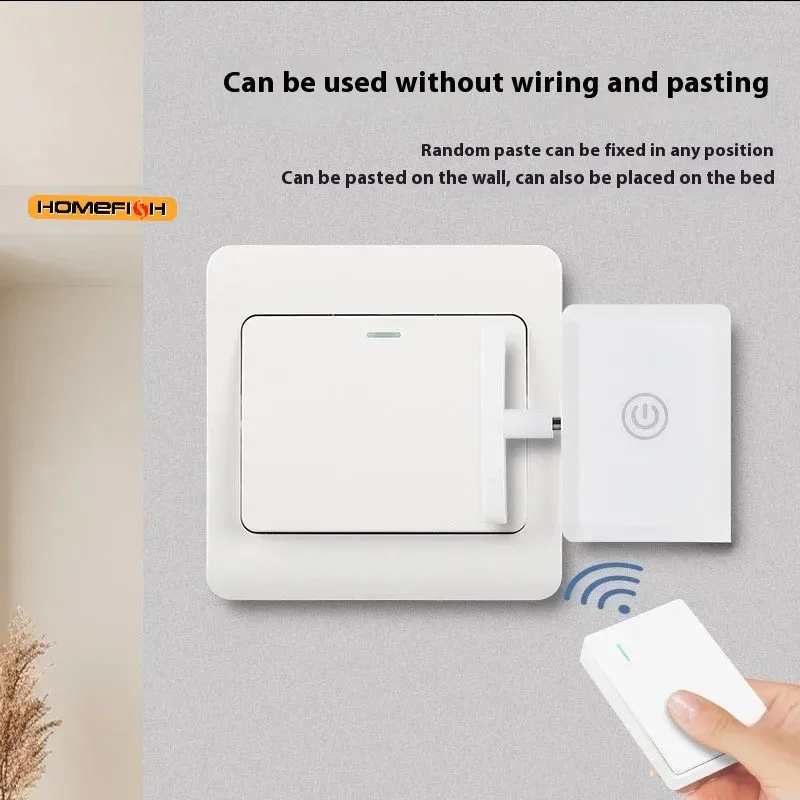
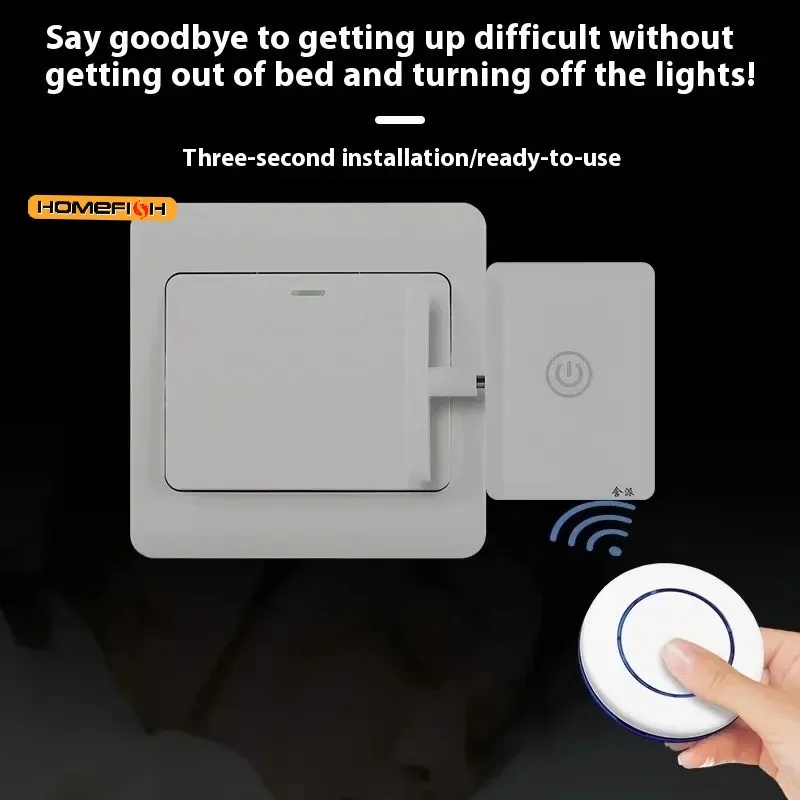
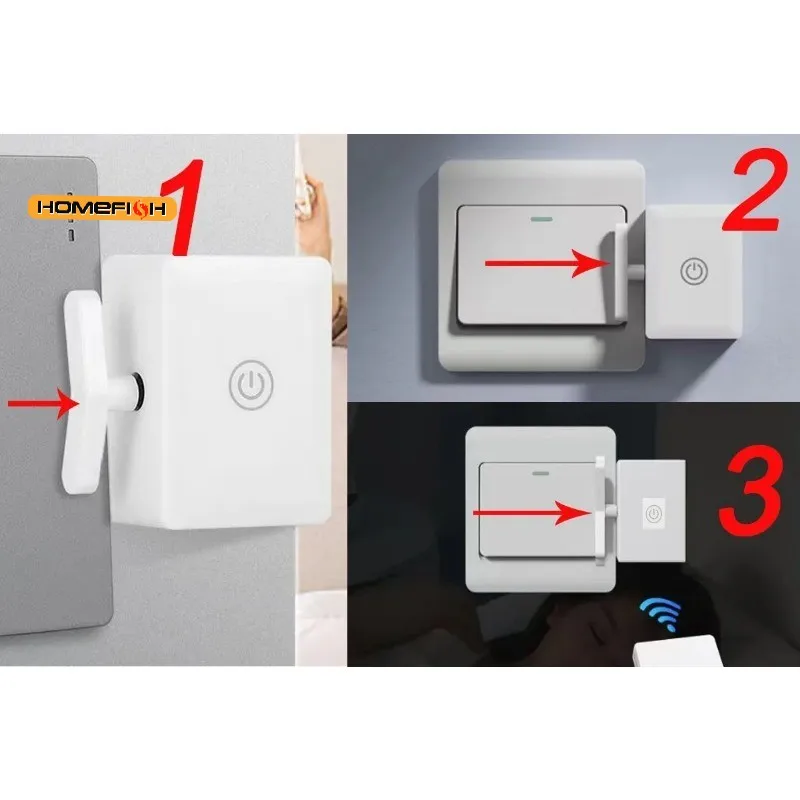
Control your lights from bed — no rewiring, no hassle. 1,00,000+ happy customers.🔥
Color: B button and switch


Quantity







Product Description

Return & Warranty


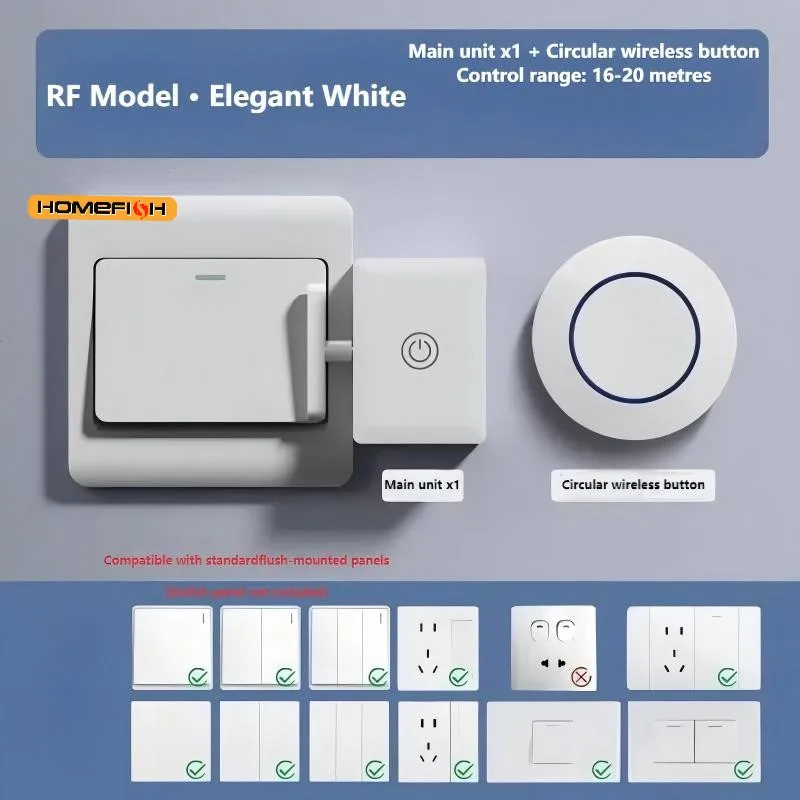
Wireless Remote Control Light Switch
Wireless remote control light switches are innovative devices that enable users to manage lighting fixtures from a distance, eliminating the need for conventional wiring. They not only enhance user convenience but also promote energy efficiency, with some models capable of reducing energy costs by up to 30%.
Understanding wireless remote control light switches is crucial for homeowners and businesses alike, as they represent a significant advancement in lighting technology. With the global smart home market projected to reach $174 billion by 2025, the adoption of such devices is becoming increasingly important for those wishing to optimize their energy usage and enhance convenience in their spaces.
Failure to grasp the benefits and implementation of wireless remote control light switches can result in higher energy bills and reduced operational efficiency, ultimately putting businesses at a competitive disadvantage. Understanding these devices can lead to improved cost management and better resource allocation.
This article provides a comprehensive overview of wireless remote control light switches, including a comparison of top providers, a detailed cost breakdown, best practices for installation, and insights into local SEO considerations for businesses seeking to leverage this technology.
What is a wireless remote control light switch?
A wireless remote control light switch is a device that lets users operate lighting fixtures from a distance — no physical wiring is needed. Typically controlled via a handheld remote or a smartphone app, these switches improve convenience and accessibility for managing lighting in both residential and commercial settings.
Wireless remote control light switches work through radio frequency (RF) or infrared (IR) signals. This enables users to turn lights on or off, adjust brightness, or even set timers. Many modern models integrate with smart home systems, allowing for automation and remote access via mobile devices. According to market research, the global smart lighting market — which includes wireless light switches — is projected to reach around $78 billion by 2026. This reflects the growing consumer demand for convenience and energy efficiency.
- Handheld Remotes: These small devices typically have buttons for various lighting functions. They allow straightforward control from anywhere within the operating range.
- Smartphone Apps: Many wireless switches connect to mobile apps. These can offer features like scheduling, dimming, and integration with other smart devices.
- Voice Control: Some models work with voice assistants, letting users control lights using voice commands. This adds another level of convenience — especially for those with mobility challenges.
When selecting a wireless remote control light switch, consider factors like compatibility with existing fixtures, the remote signal range, and installation ease. Some switches might need a hub for connectivity, while others can operate independently. Additionally, energy-saving features can help cut electricity costs (this is often overlooked), making them more appealing for environmentally-conscious consumers.
Expert insight: When picking a wireless switch, focus on models with strong user reviews and reliable customer support. This can ensure long-term satisfaction and functionality.
How do you install a wireless remote control light switch?
Installing a wireless remote control light switch can be simple. In fact, the whole process usually takes less than an hour. This guide details the steps and important considerations for a successful installation.
- Gather your tools and materials. You'll need a wireless remote control light switch kit, a screwdriver, wire strippers, and possibly a voltage tester for safety.
- Turn off the power. Confirm that the power to the existing light switch is turned off at the circuit breaker — this helps prevent any electrical hazards during installation.
- Remove the existing switch. Unscrew the old switch from the wall, then gently pull it out from the electrical box. Note how the wires are connected (this is often overlooked).
- Connect the new switch. Attach the wires from the wall to the new wireless switch according to the manufacturer's instructions. Typically, this involves connecting the live wire to the switch and the load wire to the light fixture.
- Install the remote receiver. If the system includes a receiver, install it at the light fixture location. Connect it to the light following the instructions.
- Secure everything back in place. Tuck the wires carefully back into the electrical box. Then, screw the new switch into its place. If applicable, secure the receiver in the fixture box.
- Restore power and test. Turn the circuit breaker back on. Test the remote control to ensure the switch operates as expected. Make adjustments if necessary.
Wireless remote control light switches offer flexibility and convenience. Users can control lighting from various locations. Make sure the remote operates within the specified range — typically up to 100 feet, depending on the model.
Expert insight: For optimal performance, experts advise choosing a wireless switch that operates on a frequency with minimal interference, such as 433 MHz. Also, consider using a smart home system for enhanced control options.
What are the benefits of using a wireless remote control light switch?
Wireless remote control light switches provide notable benefits, such as greater convenience and energy savings. They let users control lighting from a distance, which can lead to improved efficiency and comfort in various environments.
Convenience stands out as one of the primary benefits. Users can switch lights on or off without having to reach for wall switches. This is especially useful in hard-to-reach spots or for individuals with mobility challenges. Many wireless switches can also be set to operate on schedules — automatically turning lights on or off at specific times. This can enhance security and energy efficiency. According to a 2024 study, homes that adopt smart lighting solutions often save up to 30% on energy costs compared to traditional systems.
- Enhanced Accessibility: Wireless remote control light switches can be placed anywhere, allowing easy access for individuals with mobility issues. This is particularly helpful for managing multiple fixtures.
- Energy Efficiency: By scheduling lights to turn off when they’re not needed, users can cut down on energy consumption. This contributes to lower utility bills and a smaller carbon footprint.
- Increased Security: Automated lighting can mimic occupancy when homeowners are away. This deters potential intruders and boosts overall home security.
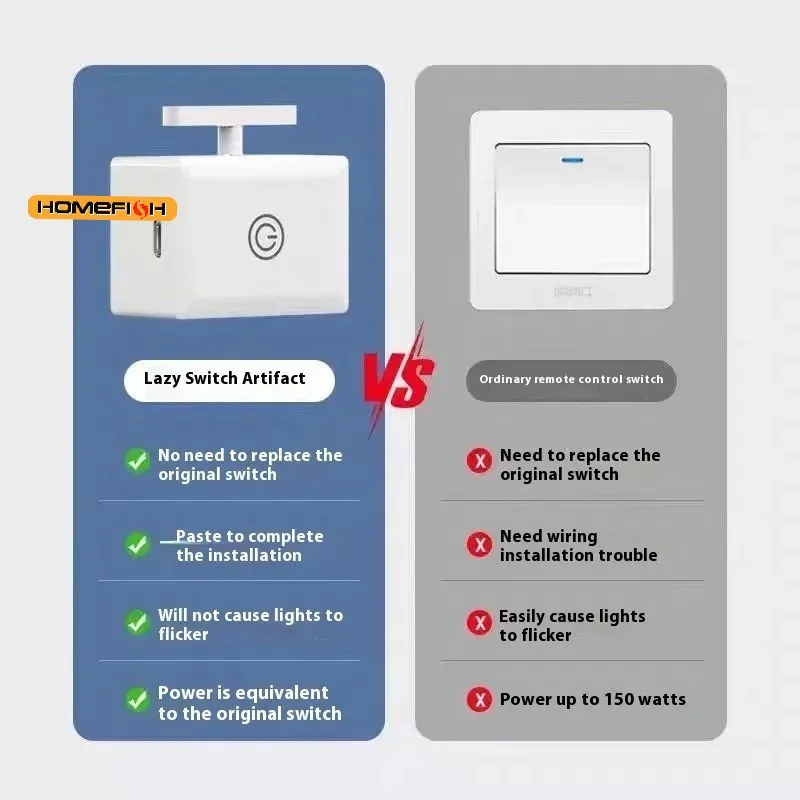
- Easy Installation: Most wireless switches need minimal installation — often no professional electrician is required. This allows for quick setup and flexibility in adjusting lighting without extensive rewiring.
Expert insight: Consider integrating wireless remote control light switches with smart home systems. This can create a seamless user experience, maximizing both convenience and energy management capabilities.
Are wireless remote control light switches worth the cost?
Wireless remote control light switches typically range from $20 to $100, depending on features and brand. They can be a good investment, especially if they lead to energy savings and added convenience.
The cost of wireless remote control light switches varies based on several factors. These include:
- Features: Some switches come with advanced functionalities, like dimming capabilities, smartphone integration, or programmable settings. These enhancements often increase the price.
- Brand: Established brands typically charge a premium for quality and reliability. Lesser-known brands, however, might provide more budget-friendly options.
- Installation: Some models need professional installation — this can add to the overall cost. On the other hand, DIY-friendly options often save on labor fees.
Beyond the initial cost, wireless remote control light switches can lead to energy savings over time. They allow users to easily turn lights off when not in use or set timers, helping to reduce electricity consumption. According to a 2024 study, households using smart lighting solutions reported an average savings of 15% on energy bills. This often results in significant savings over the product's lifespan, justifying the upfront expense.
Expert insight: When determining whether a wireless remote control light switch is worth it, consider both the immediate benefits and the long-term savings. Choosing models with energy-efficient features can really maximize your return on investment (this is often overlooked).
What features should I look for in a wireless remote control light switch?
When selecting a wireless remote control light switch, consider features like compatibility, range, control options, and ease of installation. These elements greatly impact both functionality and user experience. A model with a range of at least 50 feet is often seen as a good choice for effective operation in most household settings.
Compatibility is key. Confirm that the switch works with your home’s electrical system and supports smart home integration if that's a priority. Many modern switches are built to be compatible with popular smart home platforms like Amazon Alexa or Google Assistant — allowing for voice control. Additionally, it’s worth double-checking if the model supports LED and CFL bulbs, as some older switches struggle with these energy-efficient lighting options.
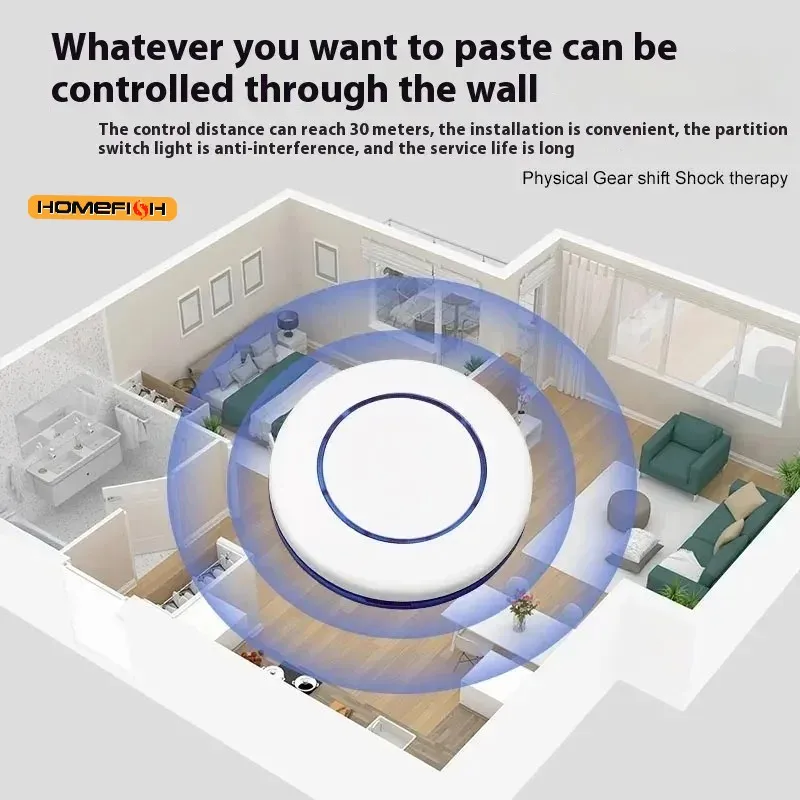
The range of the remote control is another vital aspect. Most wireless switches function well within a range of 30 to 100 feet. If your home is on the larger side, look for models with a longer range. Walls can obstruct signals, after all. Moreover, consider the various control options available. Some switches provide multiple remote controls, wall-mounted options, or even mobile app control, giving you flexibility in how to operate your lights.
- Installation: Look for plug-and-play options for easy setup, rather than hardwired models that may need professional installation.
- Design: Don’t forget to consider aesthetic features, such as switch style and color, to make sure they blend with your home decor.
- Price: Evaluate the price range; basic models can start around $20, while advanced features may significantly increase costs.
Expert insight: Prioritize switches that allow for customizable settings, such as dimming and timers — this enhances both energy efficiency and convenience.
Can I control multiple lights with one wireless remote control switch?
Yes, it’s possible to control multiple lights with one wireless remote control switch, often through a multi-channel remote. These remotes have the capability to operate several fixtures simultaneously or individually — all depending on their design.
For example, picture a living room featuring three distinct light fixtures: a ceiling chandelier, a floor lamp, and wall sconces. A multi-channel remote can be programmed to manage each of these lights via separate channels. When the remote is set to channel one, the chandelier lights up; switching to channel two activates the floor lamp, while channel three powers the wall sconces. This setup enables customized lighting scenarios. For instance, creating a cozy ambiance can be done by illuminating just the floor lamp and wall sconces while keeping the chandelier off (this is often overlooked).
Another practical use is managing many fixtures across different rooms with a single remote. For instance, a remote can be configured to control lights in both the living room and the dining area. By assigning each room its own channel, users can effortlessly toggle between lighting settings for entertaining guests in the dining area and enjoying a quiet evening in the living room. This flexibility significantly boosts convenience and efficiency in home lighting.
Expert insight: When selecting a multi-channel remote, confirm it’s compatible with your existing light fixtures and supports the total wattage needed. This ensures optimal performance — and helps prevent overloading the system.
Installation Guide for Wireless Remote Control Light Switches
This section offers detailed installation instructions for wireless remote control light switches. Following these guidelines will lead to a successful setup across various configurations. Proper installation enhances both convenience and safety — essential factors for all users.
Tools Required for Installation
Before starting the installation process, make sure to gather these tools:
- Voltage tester
- Screwdriver set (flathead and Phillips)
- Wire stripper
- Drill (if mounting is needed)
- Measuring tape
- Electrical tape
Step-by-Step Installation Process
- Turn Off Power: For safety, turn off the power at the circuit breaker.
- Remove Existing Switch: A screwdriver will help detach the existing light switch from the wall.
- Test Voltage: Confirm the power is off with a voltage tester. This is crucial.
- Connect Wires: Attach the wires from the light fixture to the wireless switch as per the manufacturer’s instructions. Generally, this includes the live (hot) wire, the neutral wire, and the ground wire.
- Secure the Switch: Place the wireless switch into the wall box and secure it with screws. Avoid over-tightening.
- Attach Remote Control: Refer to the user manual to pair the remote control with the switch, typically requiring a specific button for syncing.
- Restore Power: Turn the power back on at the circuit breaker and test the switch and remote to ensure they function properly.
Common Mistakes to Avoid
Installation errors can cause malfunctions or safety hazards. Avoid these frequent pitfalls:
- Not verifying that the power is off before starting work.
- Incorrect wire connections — this can damage the switch or electrical system.
- Over-tightening screws, which may crack the switch housing.
Safety Precautions During Installation
Prioritizing safety is essential. Follow these precautions:
- Always use insulated tools to prevent electric shocks.
- Wear safety goggles to protect your eyes from debris.
- Ensure the installation area is dry and free of moisture (this is often overlooked).
Nuance / Expert Layer
Wireless remote control light switches might feature advanced capabilities, like dimming options or integration with smart home systems. Users often overlook the importance of compatibility between the switch, remote, and existing home automation platforms. Additionally, some switches function on different frequencies, impacting range and overall performance. A thorough review of specifications is vital to ensure optimal operation. The market for wireless lighting solutions is expected to grow significantly, with adoption rates projected to reach 35% by 2026.
Practical Application
To get the most out of your wireless remote control light switch, confirm proper installation by following the outlined steps. Check compatibility with your existing home systems and consult the user manual for specific settings. Regular testing of the switch and remote ensures reliable operation. It's wise to consider updates as technology advances — staying current will benefit overall functionality.
Comparing Different Types of Wireless Remote Control Light Switches
This section examines the different types of wireless remote control light switches—RF, Wi-Fi, and Bluetooth—highlighting their unique features, advantages, and limitations. Understanding these distinctions is crucial for selecting the most suitable option for specific needs.
Types of Wireless Remote Control Light Switches
- RF (Radio Frequency): This type uses radio waves to communicate between the switch and the receiver. It often requires no internet connection.
- Wi-Fi: Connects directly to your home Wi-Fi network. This allows for remote control via smartphones or smart home systems.
- Bluetooth: Employs short-range wireless technology for direct communication. Typically, it requires close proximity for operation.
Key Features of Each Type
RF switches are known for their reliability and wide range, often working up to 100 feet. They're straightforward to install and don't depend on internet connectivity.
Wi-Fi switches offer extensive control options—integration with smart home ecosystems like Amazon Alexa or Google Home is a key benefit. They typically provide mobile app access, enabling control from anywhere. However, a more complex setup is often required.
Bluetooth switches are user-friendly and easy to set up. Usually, they involve a straightforward pairing process. They're favored for local control, but have limited range—typically within 30 feet.
Pros and Cons of Each Technology
- RF
- Pros: Long range, no internet needed, reliable.
- Cons: Limited smart home integration, and potential interference from other devices.
- Wi-Fi
- Pros: Remote access, integration with smart systems, and potential for automation.
- Cons: Dependent on Wi-Fi stability; possible latency issues can arise.
- Bluetooth
- Pros: Easy setup, low cost, and no internet required.
- Cons: Limited range; requires close proximity for use.
Best Use Cases for Each Type
RF switches are great for larger homes or outdoor spaces where reliability is essential without internet reliance.
Wi-Fi switches thrive in smart homes where automation and remote control are top priorities—perfect for tech-savvy users.
Bluetooth switches are best for smaller spaces or specific tasks. Here, ease of use and cost-effectiveness matter more than range.
Expert Insights
Common misconceptions persist around the belief that Wi-Fi switches are always superior because of their connectivity. However, RF switches often excel in reliability and ease of use, especially in environments with multiple walls or interference. Additionally, while Bluetooth may appear limited by range, its simplicity and cost-effectiveness make it a viable option for localized control scenarios.
In 2024, the market for smart lighting, which includes wireless remote control light switches, is projected to reach around $12 billion. Adoption rates are increasing by 25% annually — highlighting the growing demand for versatile lighting solutions.
Practical Application
When selecting a wireless remote control light switch, assess your specific needs. If extensive remote access and integration are required, a Wi-Fi switch is the way to go. For straightforward, reliable control without internet dependency, consider RF. If you’re looking for localized, cost-effective solutions, Bluetooth stands out as the best choice. Evaluate the environment, range requirements, and integration capabilities to make an informed decision.
Enhancing Your Home with Smart Wireless Lighting Solutions
This section covers how to integrate wireless remote switches into smart home systems, focusing on their compatibility, automation capabilities, and voice control features. Understanding these factors can greatly improve the functionality and convenience of home lighting.
Compatibility with Smart Home Devices
Wireless remote control light switches are built to integrate with various smart home ecosystems. They work well with major brands like Amazon Alexa, Google Assistant, and Apple HomeKit — making it easy for users to control lighting through a single interface. Many modern switches also support protocols like Zigbee or Z-Wave, ensuring effective communication with other smart devices around the home.
Setting Up Automation and Schedules
Automation boosts the utility of wireless remote light switches by enabling users to create schedules and routines. For example, lights can be set to turn on at sunset or off at bedtime, enhancing energy efficiency and security. Many systems offer user-friendly mobile apps, allowing for easy setup of these automations.
- Schedule lights to imitate occupancy while away.
- Set timers for specific activities or moods.
- Integrate with motion sensors for automatic activation.
Benefits of Voice Control Integration
Voice control brings a level of convenience to smart lighting solutions. With simple voice commands, users can adjust lighting without having to reach for physical switches. This is particularly useful when hands are busy — like when cooking or carrying items. A 2024 survey found that about 65% of smart home users believe voice control has significantly improved their home automation experience.
Examples of Popular Smart Lighting Systems
Several smart lighting systems have become popular due to their robust features and user-friendly designs. Notable examples include:
- Philips Hue: Offers an extensive range of smart bulbs and accessories, compatible with various platforms.
- Lutron Caséta: Renowned for its reliable performance and broad compatibility with both smart home devices and traditional lighting.
- Wyze Bulbs: Affordable options that deliver excellent functionality and easy app integration.
Nuance / Expert Layer
While many articles highlight the fundamental functionalities of wireless remote control light switches, they often miss the significance of network reliability. A common misconception is that all smart switches function independently. In reality, their performance often hinges on the strength and stability of the home Wi-Fi network. Users should think about investing in a mesh Wi-Fi system if they face connection problems, especially in larger homes. Additionally, making sure firmware updates are applied regularly can help maintain performance and security (worth double-checking).
Practical Application
To get the most out of wireless remote control light switches, first assess your current smart home setup. Identify compatible devices and select a switch that integrates seamlessly with your existing system. Next, use the accompanying mobile app to set up automation routines that fit your lifestyle. Don’t forget to explore voice control options to enhance convenience. Regularly monitor and update your devices to ensure robust performance and security.
Troubleshooting Common Issues with Wireless Remote Control Light Switches
This section addresses frequent problems with wireless remote control light switches and offers effective solutions. Understanding these issues is crucial for maintaining optimal functionality — and ensuring convenience in home lighting systems.
Identifying Connectivity Issues
Connectivity problems rank among the most common issues faced by users of wireless remote control light switches. These can stem from several factors: signal interference from other devices, distance between the switch and remote, or physical obstructions. Common symptoms include delayed response or total unresponsiveness.
- Check for interference from Wi-Fi routers, microwaves, or cordless phones.
- Make sure the switch is within the recommended range of the remote, typically 30 to 50 feet for most models.
- Remove any objects that might block the line of sight between the remote and the switch.
Fixing Unresponsive Switches
When a wireless remote control light switch becomes unresponsive, the issue might originate from several sources. First, confirm that the remote's functioning correctly by testing it with another switch, if available. If the remote works, the problem likely lies with the switch itself.
- Inspect the switch for any signs of damage—such as cracks or burn marks.
- Reset the switch by turning off the power at the circuit breaker for 30 seconds.
- Reprogram the switch and remote according to the manufacturer's instructions.
Battery Replacement Tips
Battery failure frequently causes malfunctions in wireless remotes. Many users underestimate the importance of regularly checking and replacing batteries. Depending on usage, batteries might need replacement every 6 to 12 months. Signs that batteries are low include delayed responses, flickering lights, or inconsistent performance.
- Use high-quality batteries recommended by the manufacturer.
- Store spare batteries in a cool, dry place to prolong their lifespan.
- Consider using rechargeable batteries to reduce waste and save on costs over time.
When to Seek Professional Help
If troubleshooting fails to resolve the issue, it may be necessary to consult a professional electrician. This becomes especially important when dealing with complex wiring systems — or if there are signs of electrical hazards, such as sparks or smoke. Professional technicians can diagnose underlying problems that may not be immediately apparent (this is often overlooked), ensuring safety and compliance with local electrical codes.
Statistics indicate that about 25% of homeowners experience issues with wireless lighting systems—highlighting the importance of effective troubleshooting. Moreover, the global smart lighting market is expected to reach $23 billion by 2026, indicating a growing reliance on wireless technologies.
Nuance / Expert Layer
Many users mistakenly think all wireless remote control light switches operate on the same frequency. In reality, different brands may use various frequencies, leading to compatibility issues. Furthermore, some switches may not support multiple remotes — which can complicate setups in larger homes. Understanding the specifications and limitations of your specific model can prevent frustration and ensure smooth operation.
Practical Application
To effectively troubleshoot your wireless remote control light switch, start by identifying connectivity issues and checking the remote's functionality. Regularly replace batteries and consult the manufacturer's guidelines for maintenance. If problems continue, don't hesitate to contact a professional to avoid potential hazards and ensure your lighting system operates efficiently.
Which Wireless Remote Control Light Switch Is Right for You?
Selecting the right wireless remote control light switch depends on individual needs, preferences, and budget. This guide aims to assist in identifying the best option for various audience segments. Making an informed choice is crucial.
Homeowners looking for convenience
For homeowners wanting easy use, the Lutron Caseta Wireless Smart Lighting Dimmer Switch stands out as an excellent option. Priced around $100, it lets you control lights from anywhere in your home without having to reach for the switch. Its intuitive remote control simplifies adjusting lighting levels, which enhances overall convenience.
Tech enthusiasts
Tech enthusiasts might want to check out the TP-Link Kasa Smart Wi-Fi Light Switch. It integrates seamlessly with various home automation systems, including Amazon Alexa and Google Assistant. Priced between $30 to $40, it features scheduling and remote access via a smartphone app — perfect for those who enjoy customizing their smart home experience.
Elderly individuals
The GE Enbrighten Wireless Remote Control Light Switch is a highly recommended choice for elderly individuals. At about $30, this switch provides an easy-to-use remote, improving safety and independence. Users can turn lights on and off without moving from their seats. Plus, its simple installation process is accessible for those who aren’t tech-savvy (this is often overlooked).
DIY enthusiasts
DIY enthusiasts will find the Etekcity Wireless Remote Control Outlet Switch appealing, retailing for around $25. This model is easy to install and doesn't require professional help, making home upgrades simple. It allows the control of multiple lights and devices with a single remote. A solid choice for any DIY project.
| If You Are... | Best Approach |
|---|---|
| A homeowner looking for convenience | Lutron Caseta Wireless Smart Lighting Dimmer Switch ($100) |
| A tech enthusiast | TP-Link Kasa Smart Wi-Fi Light Switch ($30-$40) |
| An elderly individual | GE Enbrighten Wireless Remote Control Light Switch ($30) |
| A DIY enthusiast | Etekcity Wireless Remote Control Outlet Switch ($25) |
Frequently Asked Questions
What is a wireless remote control light switch?
A wireless remote control light switch allows users to operate lights from a distance without the need for physical wiring. It typically consists of a remote transmitter and a receiver that connects to the light fixture.
How do you install a wireless remote control light switch?
Installation involves connecting the receiver to the light fixture's wiring, which usually requires basic electrical knowledge. Once installed, the remote can be paired with the receiver for seamless operation.
What are the benefits of using a wireless remote control light switch?
Benefits include enhanced convenience, flexibility in lighting control, and simplified installation without the need for extensive wiring. They are ideal for hard-to-reach areas or for creating smart home setups.
Are wireless remote control light switches worth the cost?
Wireless remote control light switches are generally worth the investment due to their convenience and ease of use. They can also save on installation costs compared to traditional wired switches.
What features should I look for in a wireless remote control light switch?
Key features to consider include range, compatibility with smart home systems, ease of installation, and the number of channels for controlling multiple lights. Look for models with user-friendly remotes and adjustable settings.
Can I control multiple lights with one wireless remote control switch?
Yes, many wireless remote control light switches allow you to control multiple lights simultaneously using a single remote. This feature is particularly useful for managing lighting in larger spaces or multiple rooms.
Final Thoughts on Wireless Remote Control Light Switch
Wireless remote control light switches represent a significant advancement in home automation, offering unparalleled convenience and flexibility in managing your lighting. Their ease of installation and integration with smart home systems not only enhance user experience but also contribute to energy efficiency and safety.
To maximize the benefits of this technology, assess your existing lighting setup and choose a compatible wireless remote control light switch that aligns with your smart home ecosystem. This strategic selection will ensure optimal performance and functionality.
Embracing wireless remote control light switches is not merely a trend; it is an essential step towards creating a more intelligent and responsive living environment.
Discover a Seamless Shopping Experience
At Wireless Remote Control Light Switch, we're dedicated to transforming your online shopping into an exceptional experience. Our commitment to excellence extends beyond the basics, and we're excited to introduce another benefit that sets us apart.




Customer Review
Get Exclusive Deals
Enter your email for early access to product lauches, deals, and SwiftWatch news.